Train for the whole race, not just the stations.
HYROX rewards the athlete whose strength survives fatigue. I coach the runs, the eight stations and — the part most people neglect — the transitions between them.
Why a calisthenics coach for HYROX?
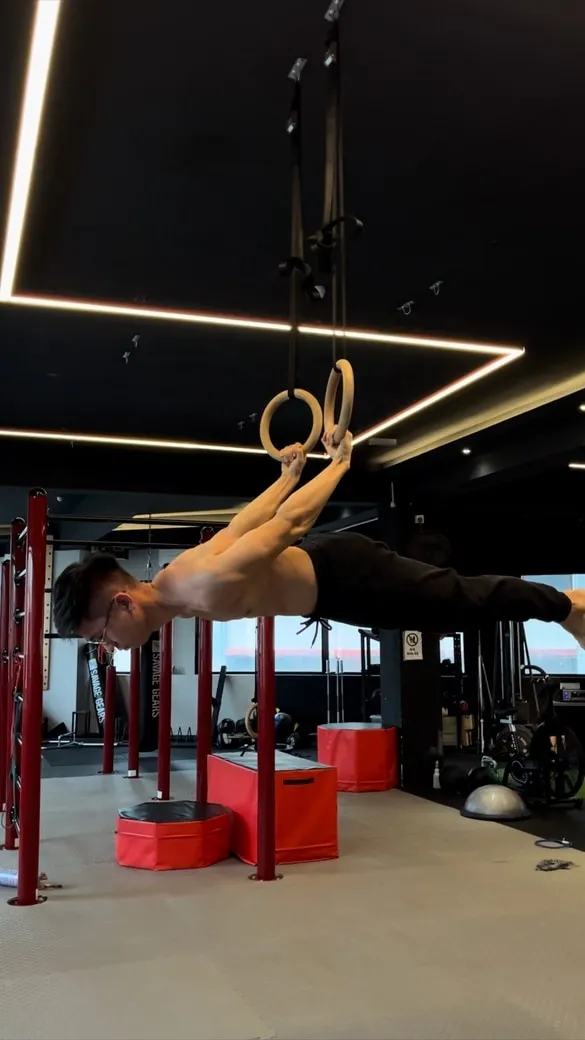
Most HYROX coaches arrive from CrossFit or endurance. I arrived from ten years of bodyweight strength — planche, front lever, handstand work — and that turns out to matter more than it sounds.
Every one of those skills is an exercise in holding a rigid, braced position while your body screams at you to break it. That is the exact quality HYROX tests. When your midline gives out on the sandbag lunges or your shoulders collapse on wall balls, the problem is rarely lung capacity — it is that your positions were never that strong to begin with.
What we build
- Running economy — cost per kilometre down, so the 8km leaves you something for the stations.
- Station-specific strength — sled drive, pulling mechanics, carry posture, honest overhead endurance.
- Compromised capacity — running with fatigued legs, which is the actual skill the race measures.
- Transitions and pacing — a race plan with target splits, not a hope that you feel good on the day.
- Positional durability — the bodyweight base that keeps your form intact in the last third.
How the block runs
We start with an assessment: how you move, how you run, where your strength actually sits. From there you get a programme built backwards from your race date, adjusted every week based on what the sessions tell us. You will know your target time and how we intend to get there — no mystery, no random workouts.
I have coached across four Klang Valley training floors over 10 years, with clients from complete beginners to competitive athletes. The programme scales to whoever you are today.
I'm on the floor too
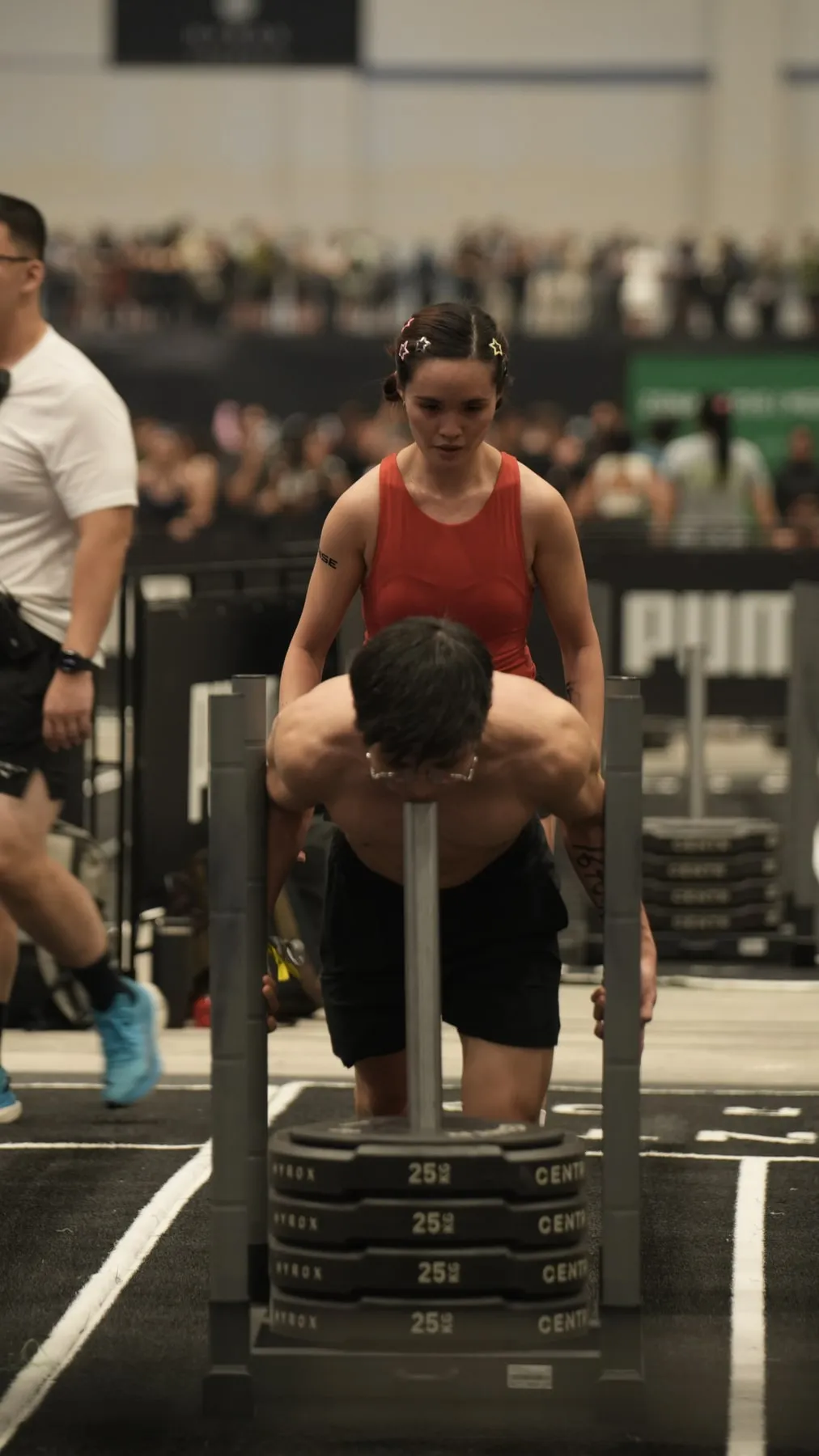
I don't coach HYROX from a spreadsheet. I race it — so the pacing, the transitions and exactly how the sled feels at station three are things I've had to solve myself.

HYROX questions
What actually happens in a HYROX race?
Eight 1km runs, each followed by a functional station: ski erg, sled push, sled pull, burpee broad jumps, rowing, farmers carry, sandbag lunges and wall balls. The difficulty is not any single station — it is doing all of them with a heart rate that never really comes down.
I have never raced. Can I still train for it?
Yes, and beginners usually improve fastest. We build an aerobic base, teach the station movements properly, then layer in the compromised running that makes race day feel manageable.
How far out should I start training?
Twelve to sixteen weeks is ideal for a first race. Eight weeks is workable if you already train consistently. If your race is sooner than that, we prioritise pacing and station efficiency over building new fitness.
Which station causes people the most trouble?
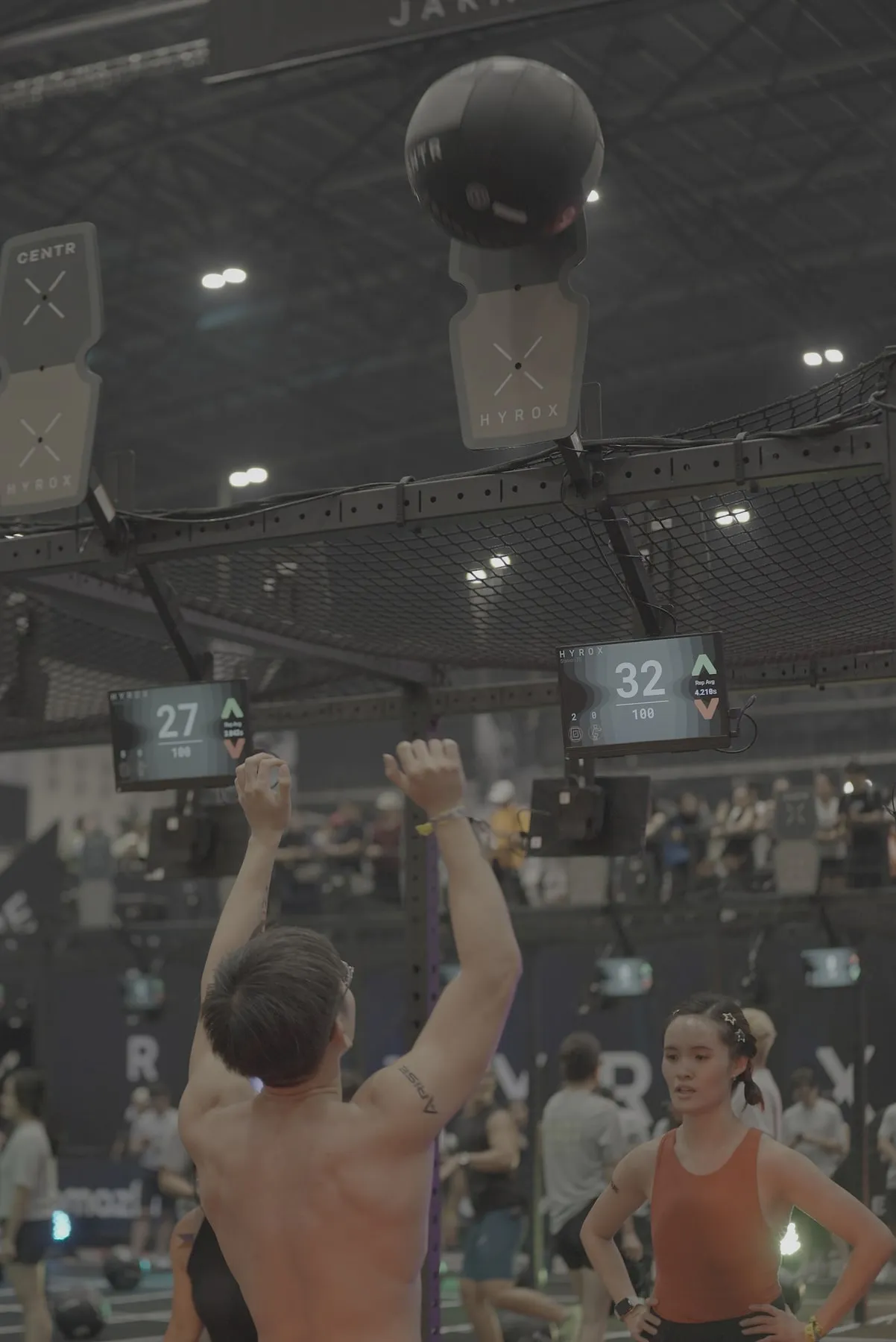
Sled push and wall balls, almost every time. The sled exposes weak leg drive and poor body position; wall balls come late, when your legs and shoulders are already gone. Both respond well to targeted strength work.
Do I need to be a runner already?
No. Most of my clients come in as stronger-than-average but inefficient runners. We work on running economy so the 8km costs you less energy, which leaves more for the stations.
Where do you coach HYROX?
In person at ARISE Training Club in Kota Damansara, Petaling Jaya, which is set up for sleds, ski erg and functional work. I also coach HYROX athletes online with programming and video review.
Explore the coaching
Calisthenics coaching
Handstand, planche, front lever and muscle-up progressions that respect your joints.
Read more →Online coaching
Programming, video form checks and weekly adjustments from anywhere.
Read more →PT in Kota Damansara
In-person one-to-one sessions for clients around PJ, Damansara and KL.
Read more →Got a race date?
Let’s build the plan.
Tell me your race, your target time and how many days a week you can train. I'll tell you what's realistic and how we get there.
First message is free and there's no obligation — most people just tell me their goal and we go from there.